Blog

  • What a pincode really tells you

    What a pincode really tells you

    A pincode was designed to move post. It has since become the shorthand people use for value, safety, schooling and status, which is a great deal of weight for six digits to carry.

    We use it differently. Before we take on a property we spend time in its pincode at three different hours, because a street that is calm at noon is not always calm at eight.

    Shade is infrastructure

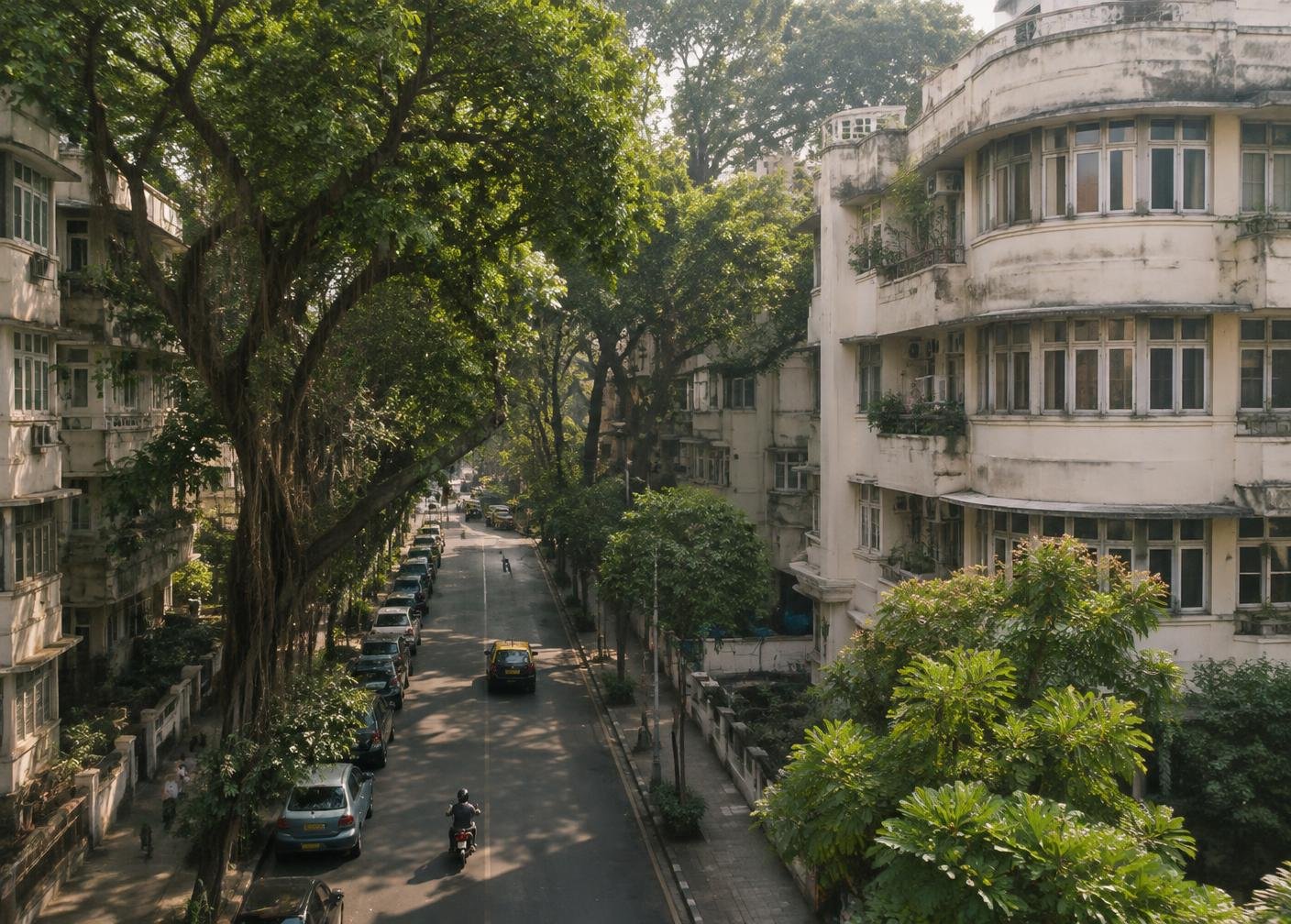
    Mature trees change the temperature of a street by several degrees, and they change how people use it. A pavement under rain trees is walked on. The same pavement without them is not.

    When we assess a location, tree cover sits alongside connectivity rather than below it.

    Water tells the truth

    Borewell depth, tanker dependence and monsoon drainage explain more about a neighbourhood’s next decade than any brochure will.

    It is unglamorous information, and it is the first thing we ask for.
  • Building with what is nearby

    Building with what is nearby

    Local material is not nostalgia. It is a practical answer to cost, climate and the availability of people who know how to work it.

    A mason who has cut laterite for twenty years will do more for a wall than a specification ever will.

    Ageing well

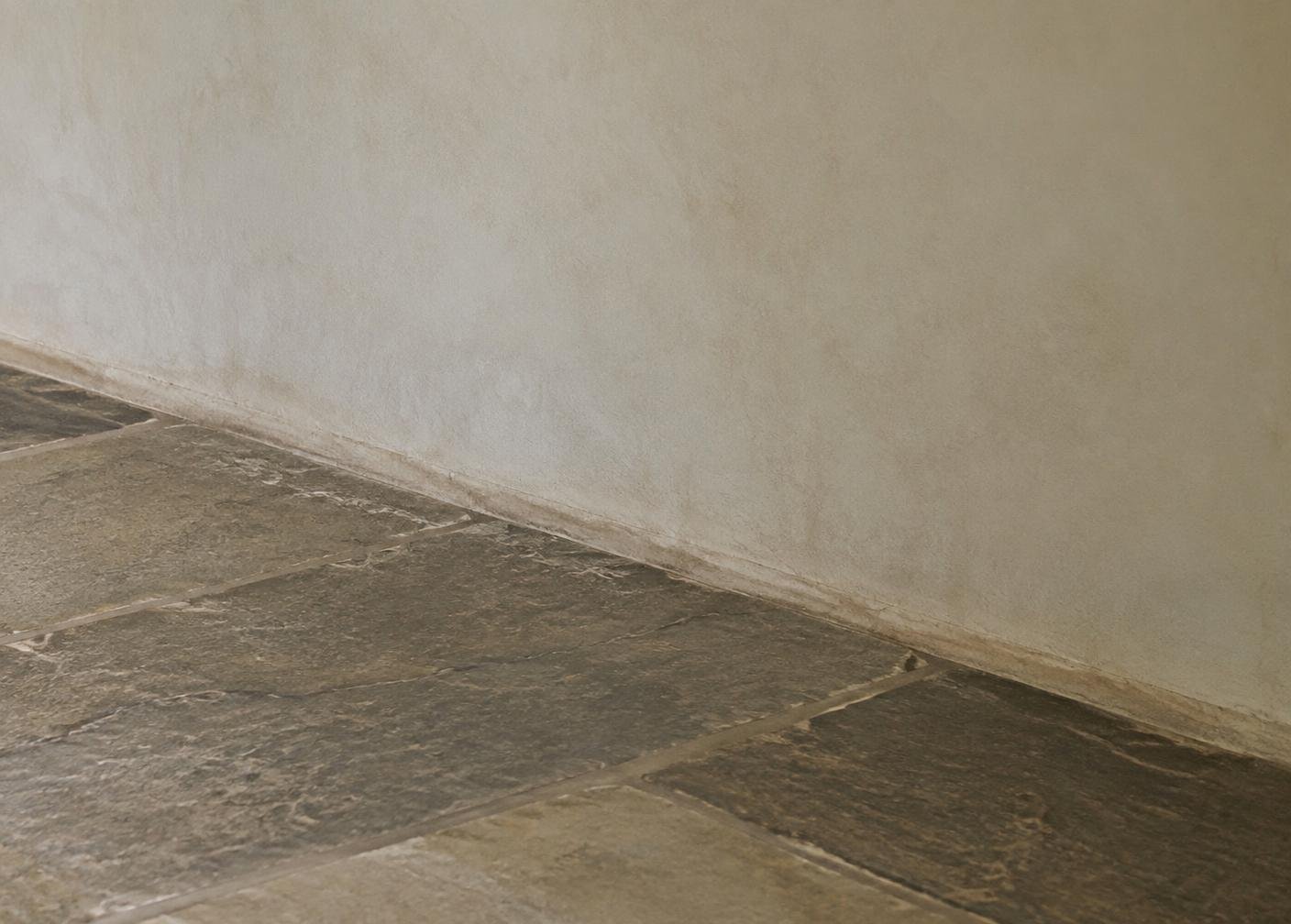
    Stone and lime plaster look better after ten monsoons. Most imported cladding does not.

    We prefer surfaces that are allowed to weather, and details that assume they will.

  • The hour before the city wakes

    The hour before the city wakes

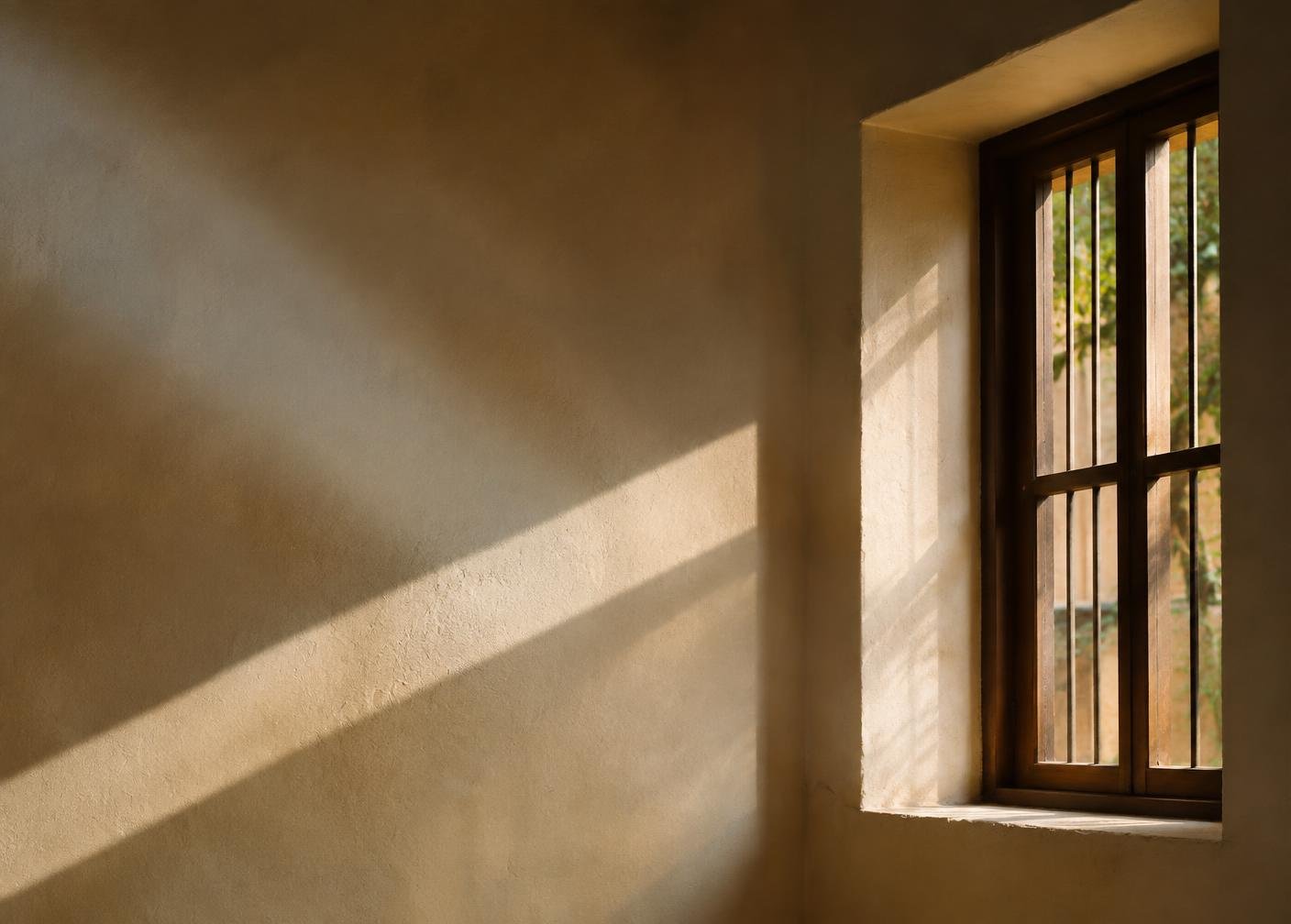
    The first hour of light in a house is the one people remember. It is also the easiest thing to get wrong on a plan drawn without standing on the site.

    Orientation costs nothing at the drawing stage and cannot be bought back later.

    Rooms for the morning

    We look for an eastern room that can hold a table, and a western wall that is thick enough to hold the afternoon out.

    Everything else on a plan can be negotiated.

  • A street is a shared room

    A street is a shared room

    The strongest neighbourhoods we work in are not the ones with the most facilities. They are the ones where the ground floor is still in use.

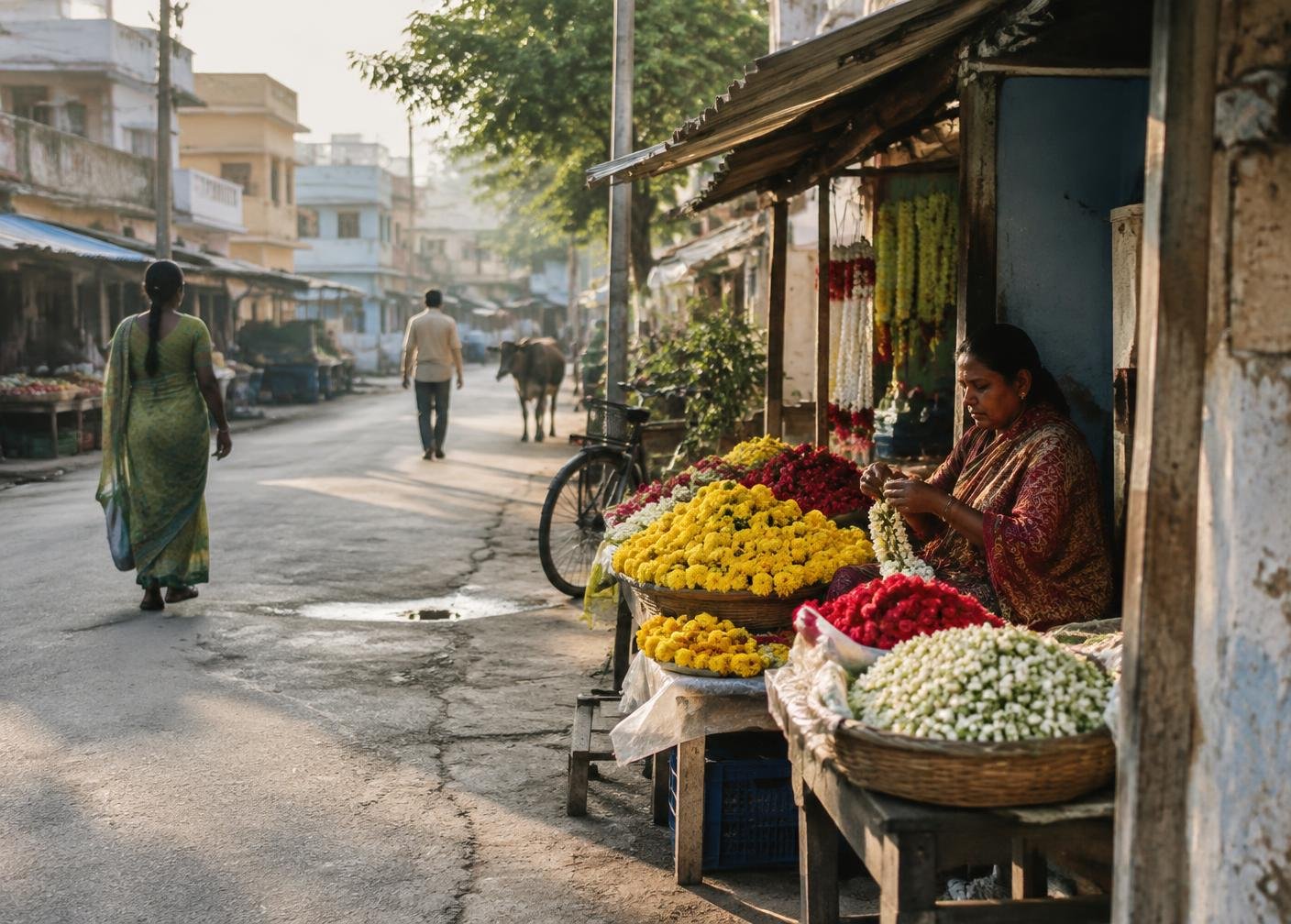
    A street with a flower seller, a tailor and a tea shop is maintained by the people on it.

    What to look for

    Continuous shopfronts, short blocks and pavements wide enough for two people to pass are reliable signals.

    Gates and long blank walls are reliable signals of the opposite.